 VapeWholesaleHub
Mocha Ice Auditing Your Own Supply Chain — Tight Margin Categories
Everything below applies whether you are ordering one mixed carton or a full container. The numbers scale, but the logic does not change, which is the point of writing it down once.
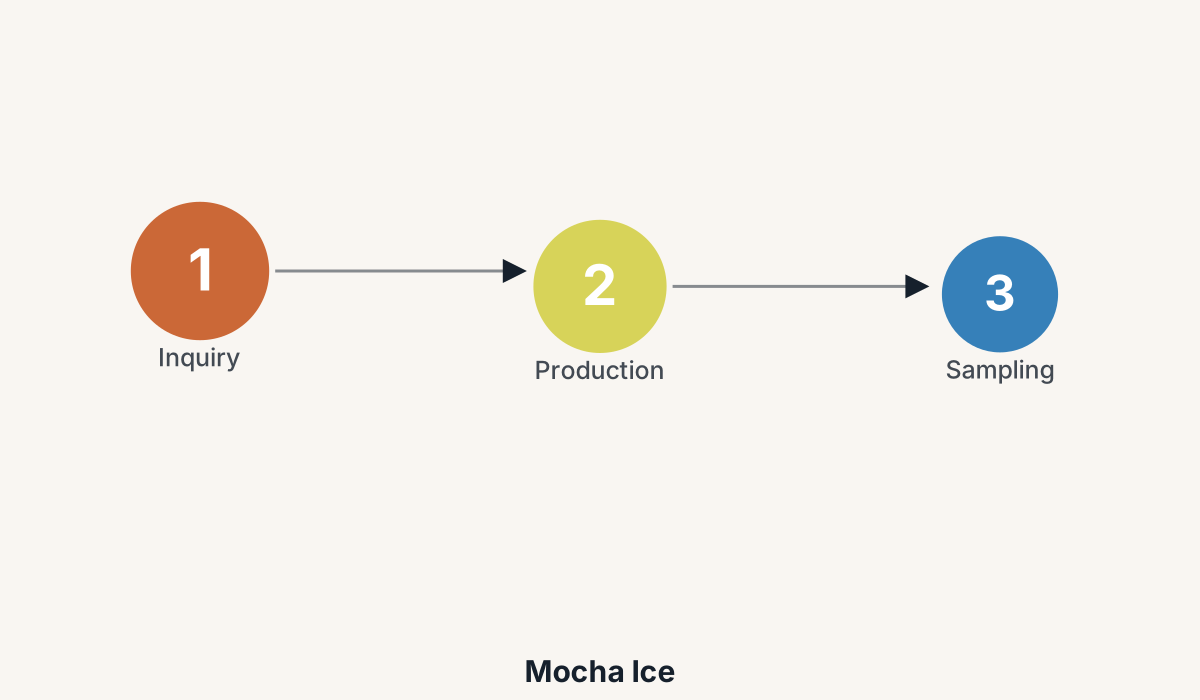
Freight, Customs and Timing
Freight is the hidden half of mocha ice unit economics. A denser master carton can save more per unit than a hard negotiation on factory price, because the saving repeats on every reorder rather than once.
Positioning Mocha Ice on Your Shelf
Before anything else, decide which customer you are buying mocha ice for. A convenience counter with limited shelf depth needs a tight range that turns quickly, while a specialist shop can carry a deeper ladder of options and educate buyers into higher ticket lines.
Range decisions for mocha ice should start from shelf space, not from a supplier catalogue. Count the facings you actually have, then decide how many of them this line deserves against what it currently earns.
Pricing and Margin
Compare mocha ice quotes on the same incoterm. A price that looks better because it excludes a cost you assumed was included is not a saving at all.
Indicative reference points for planning purposes: entry tier from USD 2.01 per unit at 2000 units, mid tier at USD 1.32, and volume tier at USD 1.49 for full container quantities. These figures move with specification, packaging and freight, so treat them as a shape rather than a quote.
Market Signals
Expect mocha ice packaging requirements to keep tightening. Designs that leave room for additional labelling age better than tight layouts that need a full reprint to comply.
Quality Control in Practice
Inspection is only useful if the result is recorded somewhere you can find it later. A mocha ice batch log with weights, codes and measurements turns a future complaint into a five minute lookup.
Incoming inspection for mocha ice is not about opening boxes at random. We weigh a sample of cartons, check batch codes against the production record, run a draw resistance measurement, and log the results so that a complaint three months later can be traced to a specific run.
- Write the complaint threshold into the order terms.
- Confirm the current customs classification with your own broker.
- Check carton dimensions against your freight quote before confirming.
- Rotate stock by batch code rather than by delivery date.
- Ask how the factory measures puff count, then compare like with like.
What to Fix Before Approving Mocha Ice
Revisit the mocha ice specification after every third order. Small improvements compound, and factories take a buyer more seriously when the document has clearly been used.
| Product category | Open system |
|---|---|
| Resistance band | 0.8 - 1.0 ohm |
| Capacity tolerance | +/- 2% |
| Puff count method | Declared by capacity |
| Master carton | 300 units |
| Carton weight | 3.4 kg |
| Shelf life | 18 months |
| Storage | 15-25 C, dry, away from direct light |
Practical Checklist
- Plan the switch from air to sea freight before you need it.
- Model landed cost, not ex-works price, when comparing quotes.
- Start with a mixed carton and let your own sell-through decide.
- Keep sealed retained samples from every production batch.
- Confirm the current customs classification with your own broker.
- Agree the tolerance band in writing before approving artwork.
Frequently Asked Questions
How do you handle a short shipment?
Cartons are counted and weighed before dispatch and the figures are shared with you. If something is short on arrival, the packing record and the carrier documentation are both available, which keeps the claim straightforward.
What if I only need a small first order?
That is normal and sensible. A mixed carton lets you test mocha ice in your own market before committing to a production run, and the specification you approve at that stage carries through to larger orders unchanged.
How should mocha ice be stored?
Cool, dry and out of direct sunlight. Heat and light are the two things that shorten shelf life fastest. Rotate stock by batch code rather than by arrival date, and keep cartons off concrete floors in humid warehouses.
What if a batch does not match the sample?
Keep the retained samples from the approval stage. If a delivered batch measurably differs, we compare against the retained set and resolve it against the production record. This is why we insist on sealed retained units from every run.
Next Step
If you take one thing from this page, take the retained sample habit. It costs a few units per batch and it is the difference between a disagreement and a decision.
Related Reading
- Mocha Ice Handling, Labeling and Regulatory Paperwork — Highly Regulated Markets
- Mocha Ice Display Ideas for Small Counters — Private Label Programmes
- Mocha Ice Warranty and After Sales: Setting Expectations — Tight Margin Categories
- Mocha Ice Strengths Ladder for a Balanced Cabinet — Real Numbers Only
- Mocha Ice Safety Stock Levels for Import Programmes — 2026 Buyer Notes
- Mocha Ice Packaging Refresh Without Losing Recognition — Step by Step