 VapeWholesaleHub
Mocha Ice Documentation Pack for Customs Brokers — Online Sellers
A mocha ice programme fails in predictable ways: a specification nobody wrote down, a sample nobody retained, and a lead time nobody stress tested. Here is how to close those three gaps before they cost you a container.
Pricing and Margin
When mocha ice input costs move, ask which component moved. A generic price increase hides whether you are paying for cells, packaging or simply a busy production calendar.
Margin on mocha ice is rarely lost at the till. It is lost through dead stock, returns and emergency air freight. A slightly higher landed cost with predictable lead time usually beats the cheapest quote on the spreadsheet.
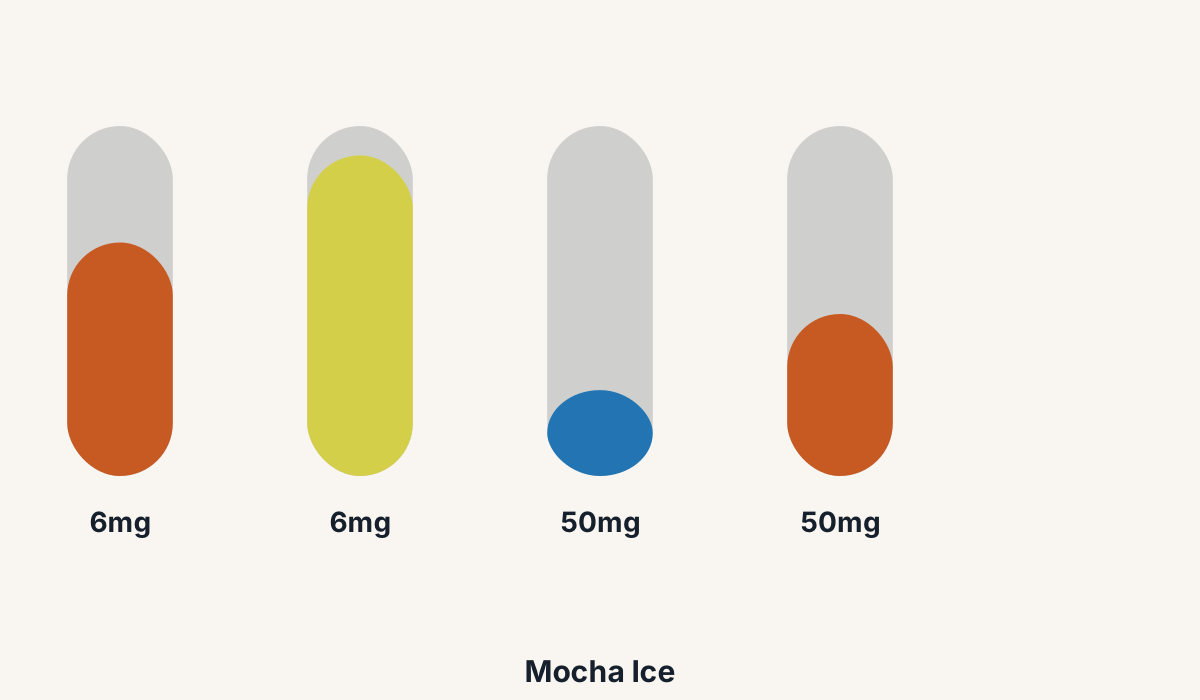
Indicative reference points for planning purposes: entry tier from USD 1.24 per unit at 2000 units, mid tier at USD 1.13, and volume tier at USD 1.22 for full container quantities. These figures move with specification, packaging and freight, so treat them as a shape rather than a quote.
How Mocha Ice Batches Are Checked
Incoming inspection for mocha ice is not about opening boxes at random. We weigh a sample of cartons, check batch codes against the production record, run a draw resistance measurement, and log the results so that a complaint three months later can be traced to a specific run.
Random checks are fine, but weight the sample towards the start and end of a mocha ice production run. Those are where a line is most likely to drift.
- Write the complaint threshold into the order terms.
- Start with a mixed carton and let your own sell-through decide.
- Ask how the factory measures puff count, then compare like with like.
- Agree the tolerance band in writing before approving artwork.
- Plan the switch from air to sea freight before you need it.
Positioning Mocha Ice on Your Shelf
Category data for mocha ice is noisier than it looks. Promotions, weather and local competition all move weekly numbers, so read three months at a time rather than reacting to a single week.
Mocha Ice sits at an interesting point in the assortment. It is familiar enough to be an impulse purchase and specific enough to build a repeat pattern around. Treating it as either pure commodity or pure specialty both lead to poor results.
The Specification That Matters
Pay attention to how a mocha ice supplier responds when you ask for a tolerance they do not want to commit to. The hesitation is usually more informative than the eventual answer.
Specification sheets are where a mocha ice deal is won or quietly lost. Two samples can look and taste the same while using different coil wire, different wicking density and different tolerances on the mouthpiece. Those details decide how the unit behaves in week three rather than minute three.
| Product category | Open system |
|---|---|
| Resistance band | 1.2 - 1.4 ohm |
| Capacity tolerance | +/- 2% |
| Puff count method | Machine cycle 2s on / 18s off |
| Master carton | 240 units |
| Carton weight | 5.0 kg |
| Shelf life | 12 months |
| Storage | 15-25 C, dry, away from direct light |
Selling Mocha Ice at Store Level
Keep the mocha ice range tidy. A half empty shelf reads as a dying line, and customers interpret it that way faster than any signage can correct.
Getting Mocha Ice to Your Warehouse
Freight is the hidden half of mocha ice unit economics. A denser master carton can save more per unit than a hard negotiation on factory price, because the saving repeats on every reorder rather than once.
Consolidating mocha ice with other lines is often the biggest single saving available to a mid size importer. The unit cost does not change but the landed cost does, sometimes materially.

Practical Checklist
- Keep sealed retained samples from every production batch.
- Confirm the current customs classification with your own broker.
- Start with a mixed carton and let your own sell-through decide.
- Check carton dimensions against your freight quote before confirming.
- Ask how the factory measures puff count, then compare like with like.
- Agree the tolerance band in writing before approving artwork.
Frequently Asked Questions
Do you hold stock for regular customers?
For established programmes we can reserve production slots and, in some cases, hold finished mocha ice stock against a forecast. It removes most of the lead time risk from a reorder and is worth discussing once volumes are stable.
What does a sample pack usually include?
A typical mocha ice sample pack covers the strengths or variants you are most likely to list, packed so you can evaluate them side by side. Tell us which lines you are considering and we will match the pack to that rather than sending a generic selection.
How should mocha ice be stored?
Cool, dry and out of direct sunlight. Heat and light are the two things that shorten shelf life fastest. Rotate stock by batch code rather than by arrival date, and keep cartons off concrete floors in humid warehouses.
Is there support for in-store material?
Yes. Shelf talkers, counter cards and simple planogram suggestions are available for mocha ice ranges that reach a sensible volume. Most retailers find the plain strength and flavour cards do the most work.
Is there a warranty on mocha ice?
Manufacturing defects are covered against the retained sample standard. Normal wear, misuse and damage after opening are not. We publish the threshold in the order terms so both sides know exactly what the claim process looks like.
Next Step
If you take one thing from this page, take the retained sample habit. It costs a few units per batch and it is the difference between a disagreement and a decision.
Related Reading
- Testing Mocha Ice Consistency Across Three Batches — Before Your Next Order
- Sustainability and Take Back Programmes for Mocha Ice — Busy Buyers
- Mocha Ice Market Entry Checklist for New Territories — First-Time Importers
- Mocha Ice Pallet Configuration for Mixed Orders — Plain Language
- Merchandising Mocha Ice Inside a Physical Store — Three Price Tiers
- Mocha Ice Protecting Your Private Label Design — EU Markets