 VapeWholesaleHub
Mocha Ice Last Mile Delivery for Local Retailers — Retail Chains
We ship mocha ice to distributors in very different markets, and the same five questions come up almost every week. Rather than answer them in email each time, we have written them out properly here.
What Mocha Ice Really Costs Landed
When you model mocha ice pricing, build in a realistic shrink figure. Even a well run line loses a small percentage to damage, expiry and sampling. Pretending that number is zero is how a healthy looking margin turns negative.
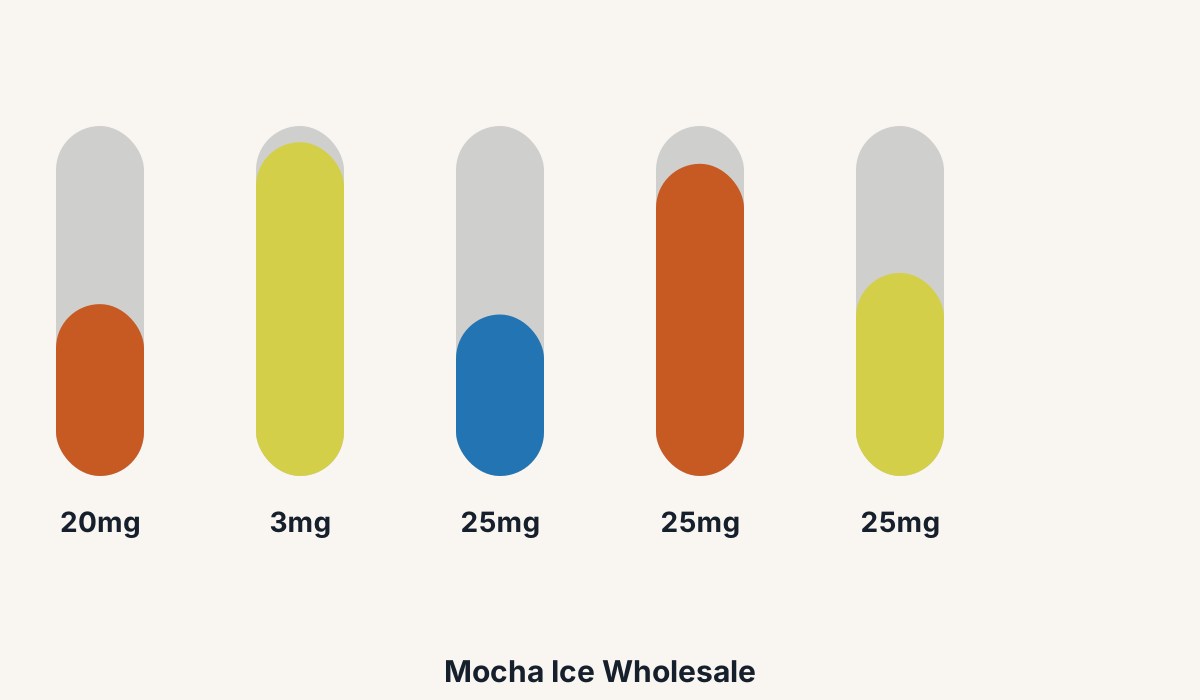
Indicative reference points for planning purposes: entry tier from USD 1.17 per unit at 2000 units, mid tier at USD 1.60, and volume tier at USD 1.03 for full container quantities. These figures move with specification, packaging and freight, so treat them as a shape rather than a quote.
Where Demand Is Heading
One shift worth planning for: shorter mocha ice reorder cycles with smaller average drops. It favours suppliers with flexible production slots over those who only want large annual commitments.
The most durable mocha ice lines over the last few years have been unglamorous and consistent. Novelty sells once; reliability sells every month.
Logistics That Protect Margin
Ask your forwarder for the mocha ice transit history on your lane, not the advertised schedule. The gap between the two is the buffer you should build into your reorder point.
Freight is the hidden half of mocha ice unit economics. A denser master carton can save more per unit than a hard negotiation on factory price, because the saving repeats on every reorder rather than once.

Selling Mocha Ice at Store Level
Keep the mocha ice range tidy. A half empty shelf reads as a dying line, and customers interpret it that way faster than any signage can correct.
Where Mocha Ice Sits in the Range
Range decisions for mocha ice should start from shelf space, not from a supplier catalogue. Count the facings you actually have, then decide how many of them this line deserves against what it currently earns.
Practical Checklist
- Write the complaint threshold into the order terms.
- Keep sealed retained samples from every production batch.
- Agree the tolerance band in writing before approving artwork.
- Start with a mixed carton and let your own sell-through decide.
- Check carton dimensions against your freight quote before confirming.
- Rotate stock by batch code rather than by delivery date.
Frequently Asked Questions
Can I mix strengths in one order?
In most cases yes, as long as each strength meets the minimum run length. Mixed strength cartons are popular with retailers building their first display because they show the full ladder without over committing.
Can the packaging be customised?
Yes. Most mocha ice programmes use private label packaging once volumes justify the printing plate. We supply dielines, check your artwork for print issues and hold approved files so reorders need no new setup.
What does a sample pack usually include?
A typical mocha ice sample pack covers the strengths or variants you are most likely to list, packed so you can evaluate them side by side. Tell us which lines you are considering and we will match the pack to that rather than sending a generic selection.
What if a batch does not match the sample?
Keep the retained samples from the approval stage. If a delivered batch measurably differs, we compare against the retained set and resolve it against the production record. This is why we insist on sealed retained units from every run.
Next Step
Nobody wins when a first order is too large to learn from. Start with a mixed carton, check how it moves in your own market, then scale the lines that earned the shelf space.
Related Reading
- Warehouse Layout Tips for Mocha Ice Distributors — Replenishment Cycles
- Mocha Ice Product Testing Laboratories Explained — Real Numbers Only
- Mocha Ice Vendor Managed Inventory Possibilities — Repeat Orders
- Mocha Ice Customer Feedback Loops That Improve Reorders — First-Time Importers
- Mocha Ice Working With a Local Compliance Partner — Replenishment Cycles
- Mocha Ice Insurance and Cargo Cover Explained — Three Price Tiers