 VapeWholesaleHub
Mocha Ice Shelf Life, Batch Codes and Traceability — New Distributors
A mocha ice programme fails in predictable ways: a specification nobody wrote down, a sample nobody retained, and a lead time nobody stress tested. Here is how to close those three gaps before they cost you a container.
Modelling a Healthy Margin
Hold a small mocha ice buffer in your pricing model for currency movement. A few percent on a container is a real number, and it is easier to plan for than to absorb.
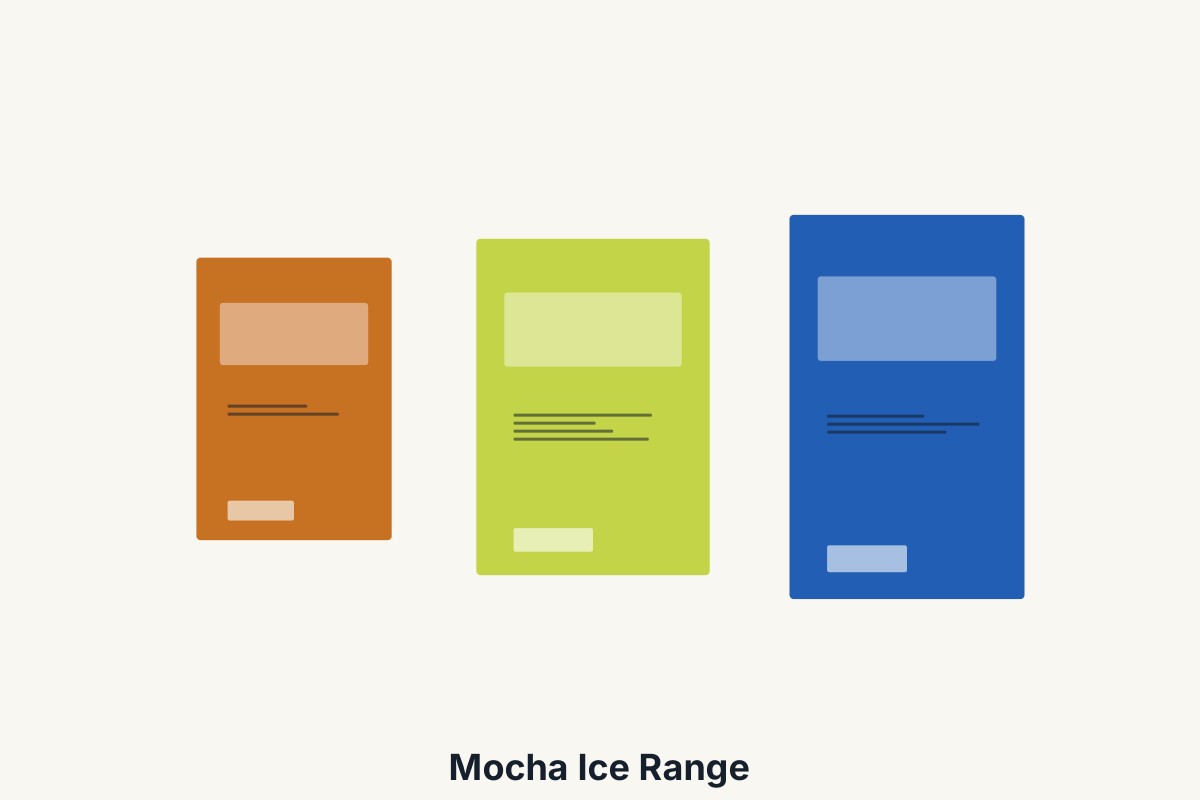
Indicative reference points for planning purposes: entry tier from USD 1.35 per unit at 500 units, mid tier at USD 1.67, and volume tier at USD 0.74 for full container quantities. These figures move with specification, packaging and freight, so treat them as a shape rather than a quote.
Where Demand Is Heading
The mocha ice category is consolidating around suppliers who can document what they ship. Buyers who built that requirement into their process early are now finding it much easier to scale.
How Mocha Ice Batches Are Checked
Random checks are fine, but weight the sample towards the start and end of a mocha ice production run. Those are where a line is most likely to drift.
Inspection is only useful if the result is recorded somewhere you can find it later. A mocha ice batch log with weights, codes and measurements turns a future complaint into a five minute lookup.
- Rotate stock by batch code rather than by delivery date.
- Keep sealed retained samples from every production batch.
- Start with a mixed carton and let your own sell-through decide.
- Confirm the current customs classification with your own broker.
- Agree the tolerance band in writing before approving artwork.
Getting Mocha Ice to Your Warehouse
Carton dimensions for mocha ice are a design decision, not a packing afterthought. A few centimetres on the master carton can change how many units fit a pallet, and that repeats on every order.
Consolidating mocha ice with other lines is often the biggest single saving available to a mid size importer. The unit cost does not change but the landed cost does, sometimes materially.
What to Fix Before Approving Mocha Ice
Specification sheets are where a mocha ice deal is won or quietly lost. Two samples can look and taste the same while using different coil wire, different wicking density and different tolerances on the mouthpiece. Those details decide how the unit behaves in week three rather than minute three.
A written mocha ice specification should be short enough to read in a minute and precise enough to argue about. If a factory cannot confirm a number in writing, assume the number is whatever is cheapest that week.
| Product category | Open system |
|---|---|
| Resistance band | 1.0 - 1.2 ohm |
| Capacity tolerance | +/- 2% |
| Puff count method | Machine cycle 3s on / 27s off |
| Master carton | 400 units |
| Carton weight | 9.0 kg |
| Shelf life | 18 months |
| Storage | 15-25 C, dry, away from direct light |
Positioning Mocha Ice on Your Shelf
Range decisions for mocha ice should start from shelf space, not from a supplier catalogue. Count the facings you actually have, then decide how many of them this line deserves against what it currently earns.
Practical Checklist
- Model landed cost, not ex-works price, when comparing quotes.
- Confirm the current customs classification with your own broker.
- Keep sealed retained samples from every production batch.
- Check carton dimensions against your freight quote before confirming.
- Write the complaint threshold into the order terms.
- Plan the switch from air to sea freight before you need it.
Frequently Asked Questions
How do you handle a short shipment?
Cartons are counted and weighed before dispatch and the figures are shared with you. If something is short on arrival, the packing record and the carrier documentation are both available, which keeps the claim straightforward.
What information do you need to quote?
Target specification, approximate quantity, destination and any packaging requirement. With those four we can usually come back with a costed option the same working day rather than a request for more information.
What if a batch does not match the sample?
Keep the retained samples from the approval stage. If a delivered batch measurably differs, we compare against the retained set and resolve it against the production record. This is why we insist on sealed retained units from every run.
Do you provide compliance documents?
Every shipment leaves with the documentation set relevant to your market, including batch records and test reports where required. Your local rules still determine what you must file, so confirm those with your broker before import.
Do you hold stock for regular customers?
For established programmes we can reserve production slots and, in some cases, hold finished mocha ice stock against a forecast. It removes most of the lead time risk from a reorder and is worth discussing once volumes are stable.
Next Step
Send us your current mocha ice specification even if you are not planning to move suppliers. A second read of a document you use every month is usually worth the ten minutes.
Related Reading
- Mocha Ice Monthly Review Ritual for Buyers — Online Sellers
- Mocha Ice Order Consolidation Across Suppliers — 2026 Edition
- Certification Routes for Mocha Ice in Different Markets — Three Price Tiers
- Mocha Ice Flavour Development: From Brief to Production — a Printable Checklist
- Mocha Ice Storage Life Extension Through Better Handling — Freight Included
- Mocha Ice Escalation Path When Something Goes Wrong — 2026 Buyer Notes